
Understanding and Managing Your Emotions
Emotions are a natural part of life, yet many of us were never taught how to understand or manage them. Whether you're feeling anxious, overwhelmed, frustrated, or sad, your emotions provide valuable information about your experiences and needs. Rather than ignoring or judging difficult feelings, learning to recognize them can help you respond in healthier, more intentional ways.

Misophonia Awareness
Misophonia is a condition in which specific sounds trigger strong emotional and physiological reactions. These sounds are often ordinary, everyday noises such as chewing, breathing, pen clicking, or tapping. For individuals with misophonia, the experience is not simply one of irritation or preference. Instead, certain auditory cues can evoke immediate and intense responses that may include anxiety, anger, disgust, or a sense of urgency to escape the situation.

Walking Side by Side: The Benefits of Walk and Talk Therapy
At LiveWell Psychology, Dr. Jessica Tomasula offers walk and talk therapy sessions as an alternative to the traditional office setting, and some patients find that meeting outdoors brings a different kind of ease and openness to the therapeutic process.

A Mid-Year Check-In: How Are You Really Doing?
As we reach the middle of the year, many of us naturally reflect on goals, accomplishments, and plans for the months ahead. We may ask ourselves whether we're where we thought we'd be by now. While reflection can be valuable, it can also become an opportunity for self-criticism if we're not careful.

Parenting With Emotional Intelligence: A SPACE-Informed Approach
At LiveWell Psychology, Dr. Jessica Tomasula often works with parents who are trying their best to support a child struggling with anxiety, emotional overwhelm, or avoidance. Many feel caught between wanting to ease their child's distress and wanting to help them become more independent and resilient.

Summer Is Assessment Season
While summer is certainly a time for rest and recreation, it can also be one of the most valuable opportunities to gain insight into a child’s learning and development through a psychoeducational assessment. During the school year, students are often balancing academic demands, extracurricular activities, homework, and social commitments. Finding time for a comprehensive evaluation can feel overwhelming. Summer offers greater flexibility, allowing families to schedule appointments without the added stress of missed classes, makeup work, or competing school responsibilities. Children are often more relaxed during this period, which can help them engage more comfortably in the assessment process.

When health is more than physical: A modern view of women’s well-being
There is a quiet shift happening in how we talk about women’s health. It is no longer confined to annual checkups, reproductive milestones, or the language of illness. Increasingly, it is about integration—how mental, emotional, physical, and social realities weave together to shape a woman’s lived experience. At LiveWell Psychology, we see this shift not as a trend, but as a necessary correction.

Children’s Mental Health: Listening Beyond Behavior
Children’s Mental Health Awareness Day is a reminder that some of the most important conversations in a child’s life are not always spoken out loud. At LiveWell Psychology, Dr. Jessica Tomasula often sees how easily children’s emotional worlds can be misunderstood, not because adults do not care, but because children rarely present their distress in clear or adult language. Instead, their inner experiences show up in behavior, sleep patterns, attention, play, and relationships.

Supportive Parenting for Anxious Childhood Emotions
Understanding CBT-I: An Effective Treatment for Insomnia

National Eating Disorders Week 2026: Evidence-Based Help Is Available
During National Eating Disorders Awareness Week 2026, we are reminded that eating disorders are serious, complex mental health conditions—but they are also treatable. As a health psychologist, Dr. Jessica Tomasula sees firsthand how eating disorders can affect every aspect of a person’s life, from physical health to relationships, work, and self-worth. These are not choices or phases; they are conditions rooted in powerful biological and psychological processes.
The Power of Random Acts of Kindness
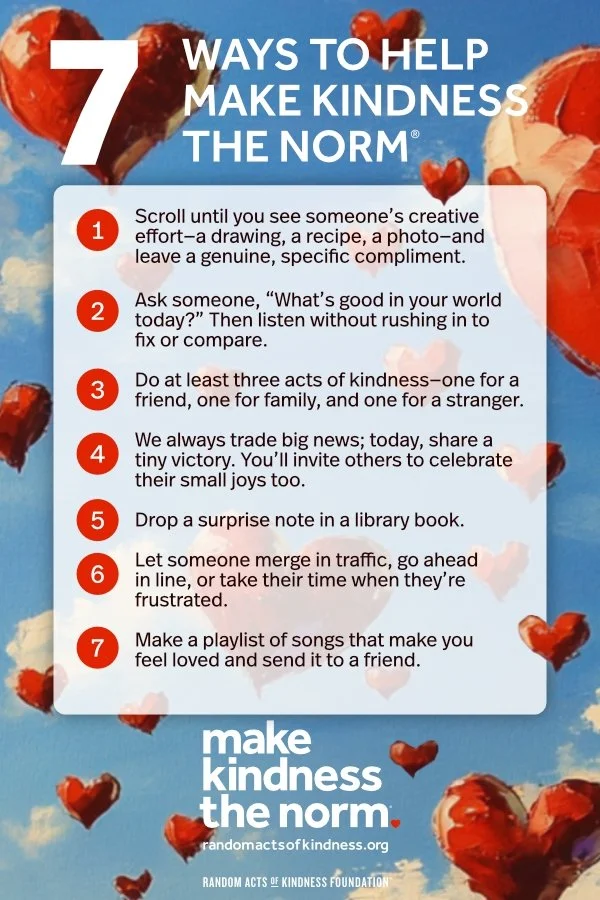
This week is Random Acts of Kindness Week and it is more than a feel-good tradition — it’s a reminder that small gestures can have a real psychological impact. Research shows that acts of kindness boost mood, reduce stress, and increase feelings of connection by releasing “feel-good” chemicals like oxytocin and dopamine. This week, choose one intentional act of kindness each day. Small actions create ripple effects. Let’s commit to making kindness a daily habit — not just this week, but all year long.

Caring for the Heart and Mind Together
February is recognized as Heart Health Month, a time dedicated to raising awareness about cardiovascular health and encouraging prevention, education, and care. While conversations about heart health often focus on cholesterol levels, blood pressure, and physical activity, there is another equally important piece of the puzzle that deserves attention: our mental and emotional wellbeing.

The Emotional Skills Behind Healthy Relationships
Healthy relationships are often described in terms of communication, compatibility, or shared values. While these elements matter, they are sustained by something deeper and less visible: emotional skills. From a psychological perspective, the way we understand, tolerate, and respond to emotions plays a central role in how we connect with others and with ourselves within those relationships.

Motivation That Can Help You Keep Your Goals
At LiveWell Psychology, we often see people blame themselves for “lack of motivation” when their goals fall apart. What psychology shows, however, is that motivation is not a personality trait you either have or don’t have. It is a dynamic process shaped by how goals are defined, how progress is experienced, and how the brain responds to effort and reward.

Resetting your mental health after the holiday season
The holidays are often framed as a season of joy, connection, and rest. Yet when January arrives, many people feel emotionally wrung out, unfocused, or oddly flat —and 2026 is no different. The contrast between the intensity of the holidays and the quieter rhythm that follows can leave your nervous system searching for balance. Resetting your mental health isn’t about erasing what happened or forcing yourself into productivity. It’s about helping your mind and body recalibrate after a period of disruption.
Celebrating Your Wins from the Past Year
As the year 2025 comes to a close, many of us naturally reflect on what we have achieved. Yet reflection can sometimes slide into comparison or self-criticism, leaving us feeling inadequate rather than accomplished. Celebrating your wins is not about measuring up to others—it is about honoring your unique journey and the progress you’ve made. Recognizing achievements, no matter their size, strengthens self-esteem, reinforces positive behavior, and cultivates a sense of pride in your efforts.

Letting Go of What No Longer Serves You
The end of the year naturally invites reflection. Many of us notice patterns, relationships, or habits that no longer serve our growth or align with our values. Holding onto these aspects of life—whether it’s unresolved conflicts, self-critical beliefs, or old routines—can create emotional clutter that weighs on mental health. Letting go is not about erasing experiences or denying the past; it is about consciously creating space for growth, renewal, and intention in the year ahead.
Digital Detox for Your Mental Health
The holiday season often brings increased social obligations, festive gatherings, and heightened exposure to social media. For many, this combination can create a sense of pressure, comparison, and overstimulation. While staying connected online can be enjoyable and even comforting, constant scrolling, notifications, and exposure to curated portrayals of others’ lives can amplify stress, anxiety, and feelings of inadequacy. The pressure to be “seen” or “active” online can leave you mentally drained.

Setting Boundaries with Loved Ones: Protecting Mental Health Without Guilt
The holiday season is often described as a time of togetherness, joy, and celebration. Yet for many, it can also magnify stress, tension, and unmet expectations within family and social relationships. Emotional overwhelm, old patterns of conflict, or unclear expectations can make these interactions challenging. In these situations, setting boundaries is not just helpful—it’s essential for protecting your mental health.